

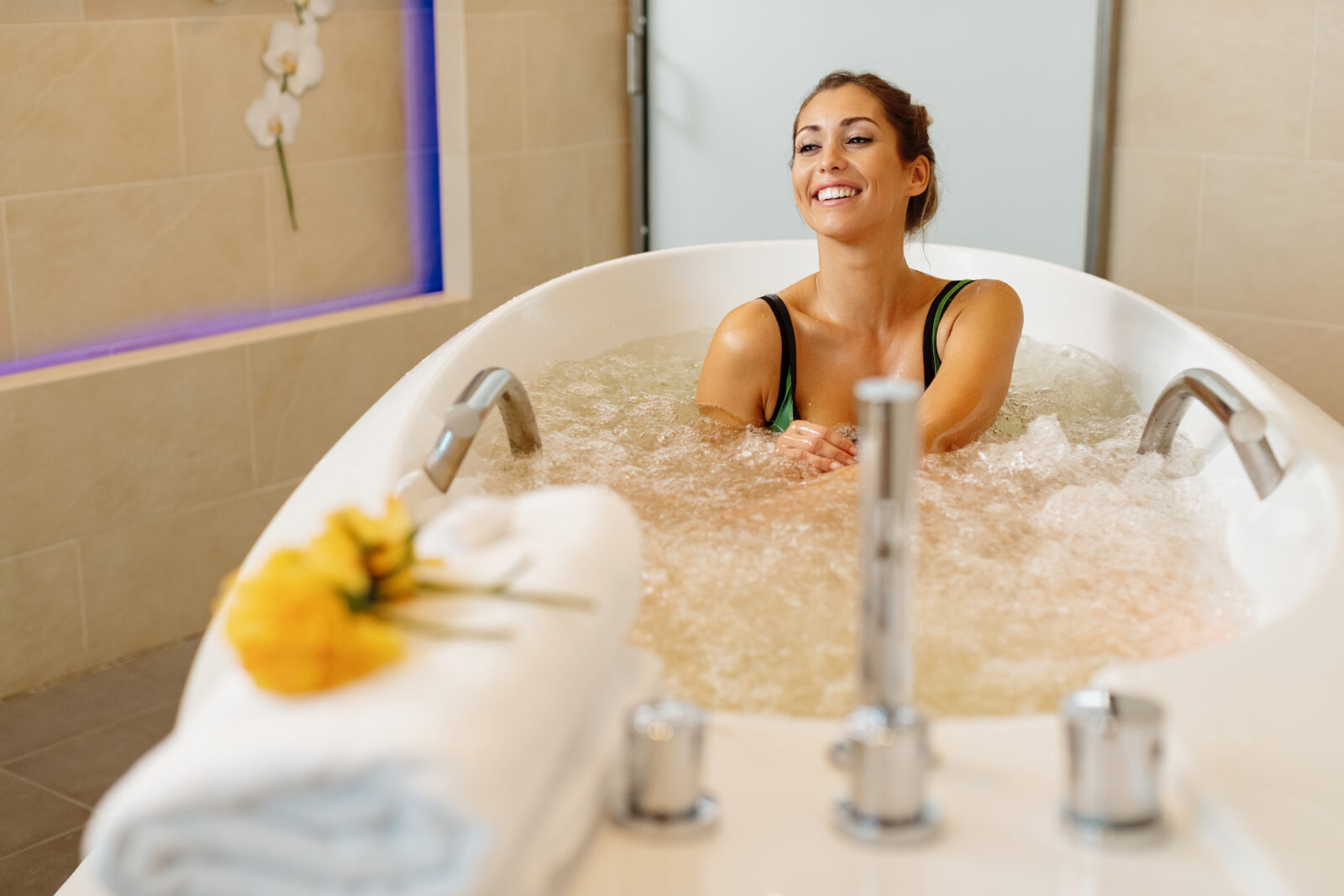

Sometimes the best way to unwind is also the simplest. A warm bath can relax tired muscles, calm the mind, and give you a break from a busy day. A detox bath takes that relaxing experience one step further by adding natural ingredients such as mineral salts, clay, herbs, or essential oils.
Many people use detox baths as part of their self-care routine. The idea is not just to relax but also to support the body with minerals and ingredients that may help soothe the skin, ease muscle tension, and encourage better sleep.
I started taking detox baths during weeks when I felt physically exhausted or mentally overwhelmed. What surprised me most was how such a simple routine—warm water and a few natural ingredients—could leave me feeling refreshed and relaxed afterward.
In this guide, we’ll look at what a detox bath actually is, how it works, the benefits people experience, and some simple detox bath recipes you can easily try at home.
What Is a Detox Bath?
A detox bath is a bath that includes natural ingredients believed to support relaxation, skin health, and overall comfort. Instead of soaking in plain water, ingredients such as Epsom salt, baking soda, apple cider vinegar, or bentonite clay are added to the tub.
These ingredients dissolve into the warm water, creating a mineral-rich soak that many people find soothing.
While the word “detox” often suggests removing toxins from the body, it’s important to understand that the body already has effective detox systems—mainly the liver and kidneys. Detox baths are better viewed as a wellness and relaxation practice that may support circulation, reduce tension, and help you feel more refreshed.
How Detox Baths Work
The benefits of a detox bath come mainly from three factors: warm water, minerals, and relaxation.
Warm Water and Circulation
Warm water helps expand blood vessels, which may improve circulation. Better circulation allows oxygen and nutrients to move through the body more efficiently, which can support recovery after physical activity.
Warm baths also relax muscles and reduce stiffness, making them popular among athletes and fitness enthusiasts.
Mineral-Rich Ingredients
Many detox bath recipes use mineral salts like Epsom salt or sea salt. Epsom salt contains magnesium sulfate, and magnesium is known to play a role in muscle relaxation and nerve function.
Although research on magnesium absorption through the skin is still developing, many people report feeling less sore and more relaxed after soaking in an Epsom salt bath.
Relaxation and Stress Relief
One of the biggest benefits of detox baths is simple relaxation. Warm water activates the body’s calming response, helping lower stress levels and slow down racing thoughts.
Spending even 20 minutes in a quiet bath can help reset your mood after a stressful day.
Benefits of Taking a Detox Bath
People use detox baths for many different reasons. While individual experiences vary, several common benefits are often reported.
Muscle Recovery
After a long workout or a physically demanding day, muscles can feel tight and sore. Soaking in a detox bath may help loosen muscles and improve comfort.
Many athletes regularly use Epsom salt baths after training sessions.
Stress Reduction
Warm baths naturally calm the nervous system. Adding relaxing essential oils such as lavender or chamomile can make the experience even more soothing.
Taking a detox bath in the evening can be a great way to disconnect from screens and unwind.
Better Sleep
A warm bath taken about an hour before bedtime can support better sleep. As your body cools down after leaving the bath, it signals the body that it’s time to rest.
Many people find they fall asleep faster and sleep more deeply after a relaxing bath.
Skin Support
Ingredients such as baking soda, sea salt, or clay can help cleanse the skin and remove excess oils. Detox baths may also help soothe minor irritation or dryness.
A Simple Self-Care Ritual
In today’s fast-paced lifestyle, people rarely take time to slow down. A detox bath creates a quiet moment to relax, reflect, or simply enjoy a break from daily stress.
Sometimes, that mental reset is just as valuable as the physical benefits.
Popular Detox Bath Ingredients
A variety of natural ingredients can be used in detox baths. Each one offers slightly different benefits.
Epsom Salt
Epsom salt is one of the most widely used bath ingredients. It contains magnesium sulfate and is commonly used to help relax muscles and reduce soreness.
Most detox bath recipes use 1–2 cups of Epsom salt per bath.
Baking Soda
Baking soda is often added to baths to soften the water and help cleanse the skin. It may also help relieve minor skin irritation.
Apple Cider Vinegar
Apple cider vinegar baths are sometimes used to support skin balance. The mild acidity may help maintain the skin’s natural pH.
Bentonite Clay
Bentonite clay is a natural clay commonly used in skincare products. It is known for its ability to bind with impurities, which is why some detox bath recipes include it.
Sea Salt or Himalayan Salt
Natural salts contain trace minerals that may help nourish the skin while enhancing relaxation.
Essential Oils
Essential oils add fragrance and additional benefits to detox baths. Popular choices include:
Lavender for relaxation
Eucalyptus for breathing comfort
Peppermint for a refreshing feeling
Tea tree for skin support
Only a few drops are needed, as essential oils are very concentrated.
Simple Detox Bath Recipes to Try
You don’t need complicated ingredients to create a relaxing detox bath. Here are a few easy recipes.
Classic Epsom Salt Bath
This is the simplest detox bath and great for muscle relaxation.
Ingredients
2 cups Epsom salt
10 drops lavender essential oil (optional)
Instructions
Fill the bathtub with warm water and add the Epsom salt. Stir until dissolved, then add the essential oil. Soak for about 20 minutes.
Baking Soda and Salt Bath
This combination focuses on skin comfort and relaxation.
Ingredients
1 cup baking soda
1 cup Epsom salt
5 drops chamomile essential oil
Instructions
Add the ingredients to warm bath water and mix well. Soak for around 20 minutes.
Apple Cider Vinegar Bath
This bath is commonly used to support skin balance.
Ingredients
1–2 cups apple cider vinegar
Instructions
Pour the vinegar into warm bath water and soak for 15–20 minutes. Rinse with clean water afterward.
Clay Detox Bath
This bath is often used for deeper skin cleansing.
Ingredients
½ cup bentonite clay
1 cup Epsom salt
Instructions
Dissolve the Epsom salt in the bath water first. In a separate bowl, mix the clay with a little water to create a paste. Add the paste to the bath and soak for about 20 minutes.
Tips for Taking a Detox Bath Safely
Although detox baths are generally safe, a few simple tips can make the experience more comfortable.
👉 Drink water before and after the bath to stay hydrated.
👉 Avoid extremely hot water, which may cause dizziness or discomfort.
👉 If you are new to detox baths, start with shorter sessions of about 15 minutes.
👉 People with sensitive skin should use smaller amounts of ingredients at first.
If you are pregnant or have medical conditions, it is best to speak with a healthcare professional before trying detox baths.
How Often Should You Take a Detox Bath?
There is no strict rule about how often detox baths should be taken.
Many people enjoy them once or twice per week as part of their self-care routine. Others prefer taking them after intense workouts or during stressful weeks.
Even taking a detox bath occasionally can help promote relaxation and recovery.
Creating a Relaxing Bath Experience
👉 Turning a detox bath into a calming ritual can make the experience even better.
👉 Dim the lights or light a candle to create a peaceful atmosphere.
👉 Play soft music or nature sounds.
👉 Drink herbal tea while soaking.
👉 Leave your phone outside the bathroom to fully disconnect.
These small details can transform a simple bath into a deeply relaxing experience.
Conclusion
A detox bath is an easy and affordable way to support relaxation and self-care at home. By combining warm water with natural ingredients such as Epsom salt, baking soda, clay, or essential oils, you can create a soothing soak that helps ease muscle tension and calm the mind.
While detox baths are not a replacement for healthy habits like balanced nutrition and regular exercise, they can be a helpful addition to a wellness routine.
Whether you are looking to recover after a workout, reduce stress, or simply enjoy a quiet moment, a detox bath can provide both physical comfort and mental relaxation.
Sometimes the most effective self-care practices are also the simplest.
If you found this article informative, feel free to check out our other articles as well.
FAQs
What is a detox bath used for?
A detox bath is mainly used for relaxation, muscle recovery, and skin support. Many people take detox baths to relieve stress, soothe sore muscles, and promote better sleep.
How long should you stay in a detox bath?
Most detox baths last between 15 and 30 minutes. Around 20 minutes is usually enough to enjoy the benefits.
What ingredients are commonly used in detox baths?
Common detox bath ingredients include Epsom salt, baking soda, apple cider vinegar, bentonite clay, sea salt, and essential oils.
Can detox baths help with muscle pain?
Yes, many people use Epsom salt detox baths to help reduce muscle soreness and tension after exercise.
How often should you take a detox bath?
Most people take detox baths once or twice per week, although the frequency can vary depending on personal preference.
Are detox baths safe?
Detox baths are generally safe for healthy adults, but people with certain medical conditions or sensitive skin should consult a healthcare professional first.
Do detox baths really remove toxins?
The body naturally removes toxins through organs such as the liver and kidneys. Detox baths mainly support relaxation, circulation, and skin comfort rather than acting as a primary detox method.